
Insomnia: Common Causes, Better Sleep Habits, and When to Get Help
Last updated: November 19, 2026
Insomnia
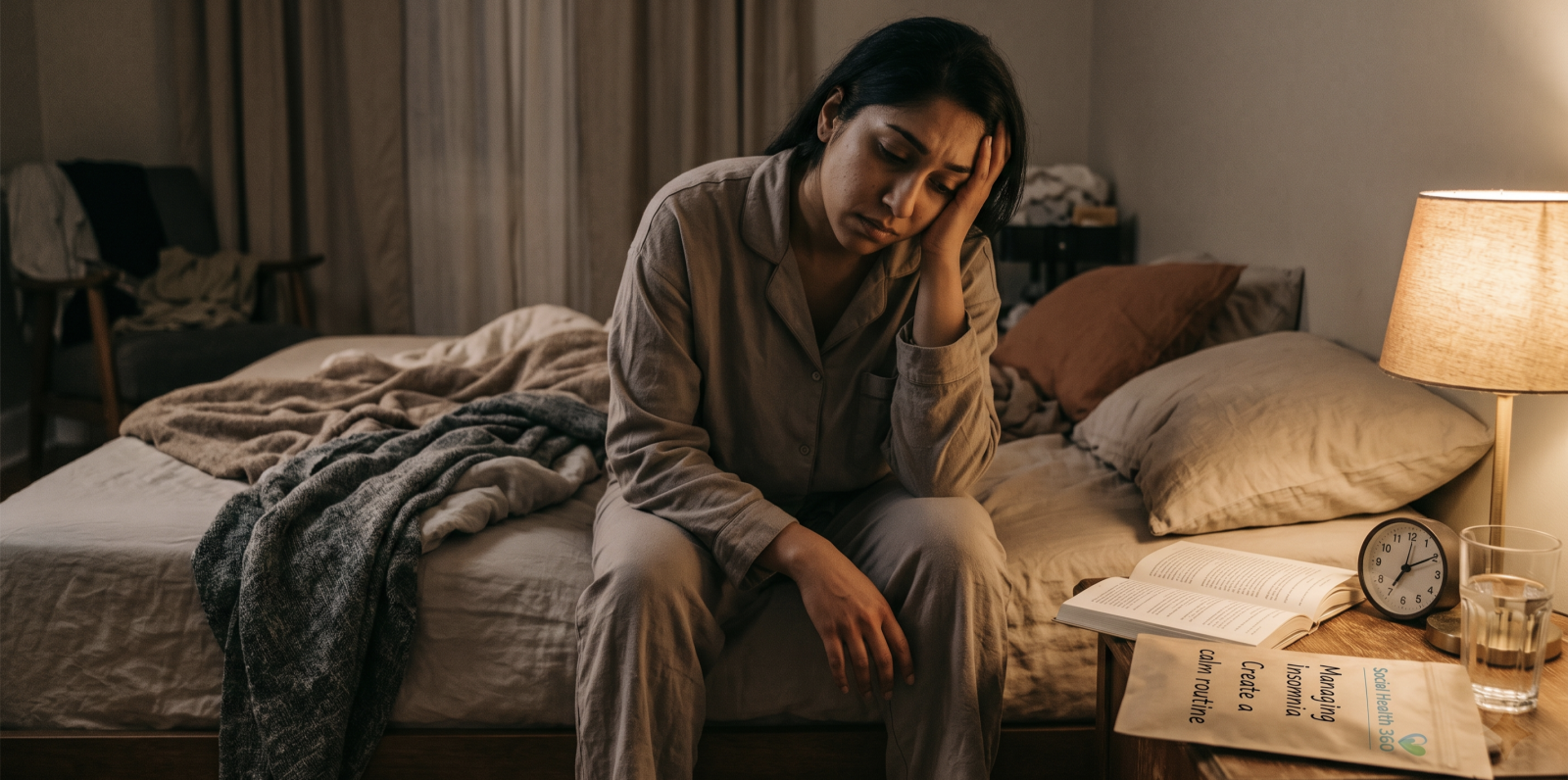
Insomnia is a common sleep disorder that makes it hard to fall asleep, hard to stay asleep, or causes you to wake up too early and feel unable to get back to rest. Recognized by major health bodies including the National Institutes of Health (NIH), the National Health Service (NHS), and the World Health Organization (WHO), ongoing sleeplessness affects daytime energy, mood, focus, and physical health—yet most cases improve significantly through targeted evening habits and structured behavioral support.
Key Takeaways
- Short-term vs. chronic: Acute insomnia lasts a few days to weeks and is often triggered by stress or travel, while chronic insomnia happens at least three nights a week for three months or longer.
- Stress and sleep feed each other: Worry, anxiety, and low mood frequently disrupt sleep, while poor sleep makes daytime stress and emotional regulation much harder.
- Evening habits matter: Consistent wake times, dim evening lighting, and limiting afternoon caffeine help reset your body's natural circadian rhythm.
- Avoid forcing sleep: Lying awake in bed watching the clock builds frustration; stepping out of bed for a quiet, dim-lit activity breaks the link between your bed and wakefulness.
- Behavioral therapy works best: Cognitive Behavioral Therapy for Insomnia (CBT-I) is recommended by sleep specialists as the most effective long-term approach for chronic sleeplessness.
What Is Insomnia and What Causes It?
Everyone experiences an occasional restless night before an exam, a big presentation, or during a bout of illness. Insomnia becomes a clinical concern when difficulty sleeping happens regularly despite having enough time and a quiet environment to rest.
Sleep specialists generally divide insomnia into two patterns:
- Short-term (acute) insomnia: Lasts from a few days up to a few weeks. It is usually linked to a clear trigger, such as work pressure, family stress, jet lag, shift work, or recovering from a physical illness.
- Long-term (chronic) insomnia: Occurs at least three nights per week for three months or more. Over time, worrying about not sleeping can keep the brain stuck in an alert state even after the original stressor passes.
Common Everyday Triggers
- Mental health and stress: Racing thoughts, ongoing anxiety, burnout, grief, or depression keep the nervous system on high alert at bedtime.
- Irregular schedules: Staying up late on weekends, rotating work shifts, or taking long daytime naps confuse your internal body clock.
- Evening stimulants and screens: Caffeine (in coffee, tea, cola, and chocolate) can stay in your system for 6 to 8 hours, while bright phone and laptop screens suppress natural melatonin release.
- Physical discomfort: Chronic back or joint pain, heartburn, nighttime urination, or sleep apnea can repeatedly fragment sleep.
Symptoms: How Lack of Sleep Affects Daily Life
Insomnia is defined not only by what happens at night, but also by how you feel the next day. Common signs include:
- Lying awake for 30 minutes or longer before falling asleep
- Waking up multiple times during the night and struggling to drift back off
- Waking up well before your alarm and feeling unrefreshed
- Daytime fatigue, low motivation, and heavy drowsiness
- Irritability, mood swings, or heightened anxiety
- Trouble concentrating, slower reaction times, and forgetfulness
Short-Term vs. Chronic Insomnia: Quick Comparison
Understanding how long your sleep difficulties have lasted helps clarify which steps are most helpful.
| Feature | Short-Term (Acute) Insomnia | Long-Term (Chronic) Insomnia |
|---|---|---|
| Duration | A few days to less than 3 months | At least 3 nights per week for 3 months or longer |
| Typical Triggers | Sudden stress, travel/jet lag, illness, or noisy environments | Learned sleep anxiety, ongoing mental health strain, irregular routines, or chronic pain |
| Primary Approach | Consistent sleep schedule, calming wind-down routine, and stress relief | Structured Cognitive Behavioral Therapy for Insomnia (CBT-I) and medical evaluation |
Practical Steps to Improve Sleep Naturally
Building healthy sleep habits—often called sleep hygiene—trains your brain to associate bedtime with calm and rest:
- Keep a fixed wake-up time: Wake up at the same time every morning, including weekends. Consistent morning light anchors your circadian rhythm better than forcing an early bedtime.
- Create a 30-to-60-minute wind-down routine: Dim the lights, put away work emails, and do something quiet such as reading a physical book, taking a warm shower, or gentle stretching.
- Follow the 20-minute rule: If you cannot fall asleep after about 20 minutes, avoid tossing and turning or checking the clock. Get out of bed, go to a dimly lit room, and read or listen to calm audio until your eyelids feel heavy.
- Watch afternoon caffeine and late meals: Switch to caffeine-free drinks at least 6 to 8 hours before bed, and finish heavy or spicy dinners 2 to 3 hours before lying down. Avoid relying on alcohol to fall asleep, as it breaks up deep sleep in the second half of the night.
- Keep your bedroom cool, dark, and quiet: Use blackout curtains, an eye mask, or a steady fan to block light and sudden noises.
- Offload racing thoughts earlier: Spend 10 minutes in the early evening writing down tomorrow's to-do list or worries on paper so your mind does not try to solve them at midnight.
A note on over-the-counter sleep aids: Many pharmacy sleep tablets contain sedating antihistamines or herbal extracts. While occasional short-term use may cause drowsiness, they often leave morning grogginess, lose effectiveness quickly, and do not fix the root cause of insomnia. Always speak with a doctor or pharmacist before using any sleep supplement or medicine, especially if you take other daily prescriptions.
When to See a Doctor
While occasional sleepless nights are normal, persistent sleep loss deserves professional care. Schedule a visit with a doctor or sleep specialist if you notice any of these signs:
- Lasting sleep disruption: Trouble sleeping occurs at least three nights a week for more than three to four weeks despite healthy bedtime habits.
- Daytime safety risks: Extreme daytime sleepiness makes it difficult to stay awake while driving, operating machinery, or working.
- Signs of another sleep disorder: Loud snoring, gasping or choking during sleep (reported by a partner), or an irresistible urge to move your legs in the evening (restless legs).
- Worsening mental health: Persistent sadness, hopelessness, frequent panic attacks, or severe anxiety accompanying your sleep loss.
- Emergency Support: If lack of sleep and emotional distress ever lead to thoughts of self-harm or suicide, reach out for immediate help. Call or text 988 in the US, contact emergency services (911 / 112), or in India call the 24/7 national helpline Kiran (1800-599-0019).
For related support on calming an overactive nervous system, explore our guides on recognizing and recovering from burnout and immediate grounding steps for panic attacks.
The Social Health 360 Take
Sleep is one of the few things in life that refuses to be forced—the harder you try to make yourself sleep, the more alert your brain becomes. Instead of fighting wakefulness at 2 a.m., focus on what you can control: waking up at the same hour every morning, dimming screens well before bed, and stepping out of bed when frustration builds. If sleepless nights persist for weeks, talking to a doctor about Cognitive Behavioral Therapy for Insomnia (CBT-I) can help you rebuild natural, restorative sleep.
Frequently Asked Questions
1. How many hours of sleep do adults actually need?
Most healthy adults need between 7 and 9 hours of quality sleep per night, according to the CDC and NIH. However, individual needs vary slightly—the clearest sign of getting enough sleep is waking up feeling reasonably refreshed and staying alert throughout the day without heavy caffeine.
2. Is scrolling on my phone in bed really that bad for insomnia?
Yes, for two reasons. First, blue-enriched light from phone and tablet screens delays the brain's release of melatonin, the hormone that signals nighttime. Second, news, messages, and social media stimulate emotional and mental alertness right when your brain needs to wind down.
3. Does taking an afternoon nap help make up for a bad night?
A brief power nap of 20 minutes before 2 p.m. can restore alertness without harming nighttime sleep. However, long naps (over 45 to 60 minutes) or late-afternoon naps reduce your natural "sleep drive," making it even harder to fall asleep that night.
4. What is Cognitive Behavioral Therapy for Insomnia (CBT-I)?
CBT-I is a structured, short-term, non-medication program guided by a trained therapist or digital health tool. It helps identify thoughts and habits that keep you awake, using techniques like stimulus control, sleep scheduling, and relaxation training. Major medical organizations recommend it as the gold-standard first-line treatment for chronic insomnia.
5. Can low levels of vitamins or minerals cause trouble sleeping?
Certain nutrient deficiencies—such as low iron (ferritin), which is linked to restless legs syndrome, or low vitamin D—can contribute to poor sleep quality in some people. If you have ongoing fatigue alongside insomnia, a doctor can run basic blood tests to check for underlying nutritional or thyroid issues.
This article is for education only and is not medical advice. Talk to a qualified doctor or pharmacist about your own situation.