Typhoid Fever: Early Symptoms, Prevention, and Care
Last updated: November 18, 2026
Typhoid Fever
Typhoid fever (also called enteric fever) is a life-threatening bacterial infection caused by the bacterium Salmonella enterica serovar Typhi. It is spread through the consumption of food or water contaminated with the feces of an infected person or chronic carrier. While common in developing regions with limited access to clean water and sanitation—especially South Asia, Africa, and parts of Latin America—it is preventable with vaccination and highly treatable with timely medical care.
Key Takeaways
- How it spreads: Typhoid spreads through contaminated food, water, or close contact with someone carrying the bacteria, not through the air.
- Gradual fever pattern: Unlike many viruses that cause sudden fever, typhoid often begins with a "stepladder" fever that rises slowly day by day over the first week.
- Critical diagnosis: Healthcare providers must confirm the infection using a blood culture; relying on older, non-specific tests like the Widal test alone can lead to diagnostic errors.
- Antibiotics are essential: Because typhoid is a systemic bacterial infection, prescription antimicrobial medication is the only way to cure it and prevent life-threatening complications.
- Complete the full course: Feeling better does not mean the bacteria is gone. Skipping doses can cause a relapse or make you a chronic carrier who spreads it to others.
Causes and How It Spreads
Typhoid is caused exclusively by the Salmonella Typhi bacterium. It is entirely different from the salmonella bacteria that cause routine food poisoning, as S. Typhi only infects humans.
When an infected person or an asymptomatic chronic carrier—someone who harbors the bacteria without feeling sick—does not wash their hands thoroughly after using the bathroom, they can contaminate surfaces, water, or food. Eating raw or undercooked foods handled by a carrier, or drinking untreated water contaminated with sewage, can introduce the bacteria into the digestive system.
Once swallowed, the bacteria pass into the small intestine, enter the bloodstream, and travel to the liver, spleen, and bone marrow, leading to a systemic infection.
Early Signs and Symptoms
Symptoms typically develop 1 to 2 weeks (ranging from 5 to 21 days) after exposure. In India and other endemic regions, doctors suspect typhoid when an unexplained fever lasts more than 5 days, accompanied by specific patterns:
The Typical Timeline
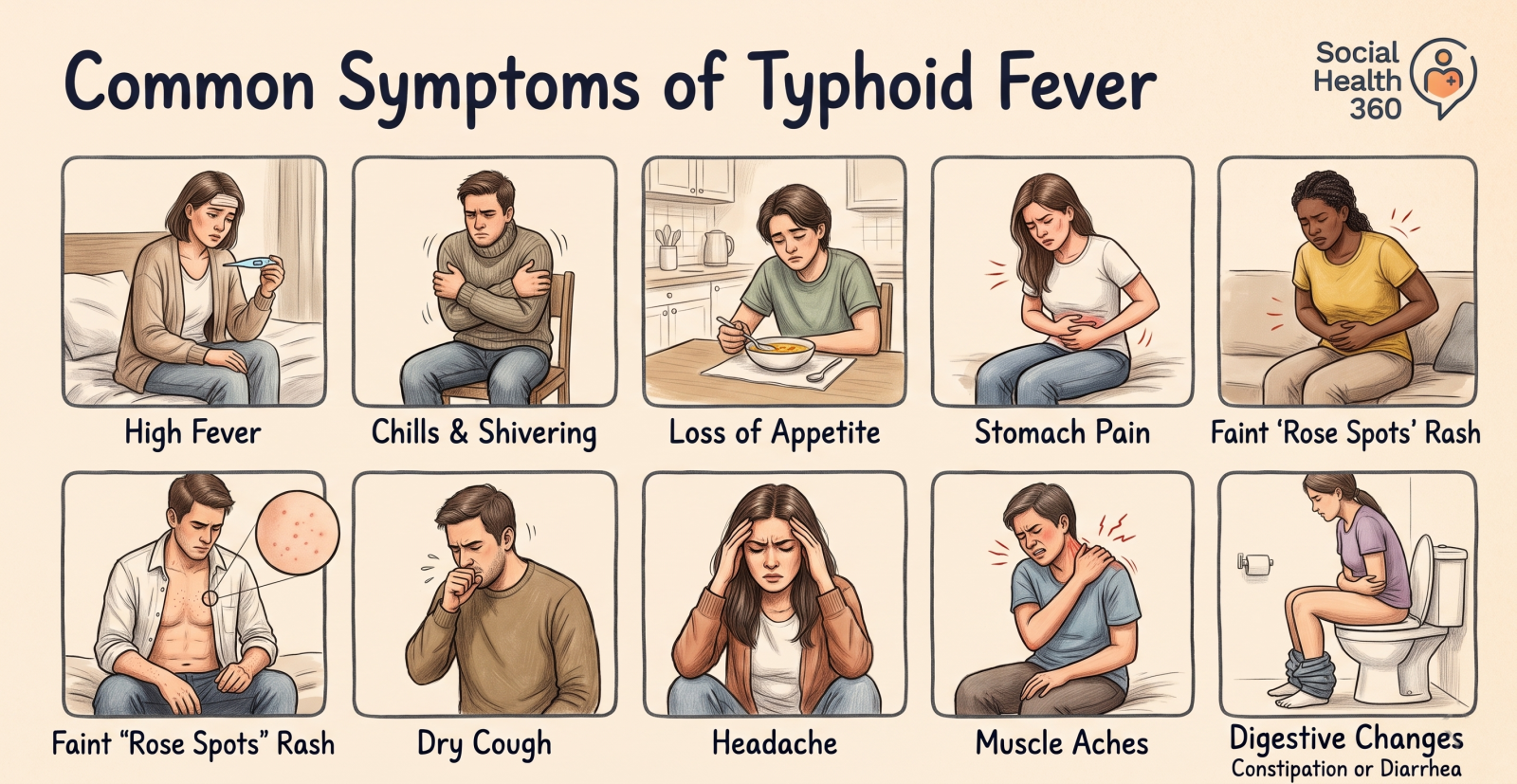
- Week 1 (Early Symptoms): A gradual "stepladder" rise in body temperature, often climbing to 103°F–104°F (39°C–40°C). Patients also experience a persistent, severe headache, dry cough, extreme fatigue, and abdominal discomfort. Adults often experience constipation, while children are more likely to have diarrhea. A coated tongue with red edges may also be visible.
- Week 2 (Progressive Symptoms): The high fever remains constant. Extreme exhaustion, loss of appetite, and weight loss are common. A faint rash of flat, rose-colored spots may appear on the chest or abdomen, though these are often difficult to spot on darker skin. The abdomen may feel distended or tender due to an enlarged liver or spleen.
- Week 3 (Complication Risk): If untreated, patients can become confused, delirious, or lethargic (the "typhoid state"). This is the most dangerous phase, where the bacteria can cause severe intestinal bleeding or tears (perforation) in the gut wall.
How Typhoid Is Diagnosed
Because its early signs overlap with illnesses like malaria, dengue, and scrub typhus, testing is crucial for a correct diagnosis:
- Blood Culture: The gold standard. A laboratory test that grows and identifies the Salmonella Typhi bacteria from a blood sample, usually taken during the first week. It also determines which antimicrobial medications will be most effective.
- Stool or Urine Cultures: Used to detect the bacteria, often during the second or third week, or to ensure a person is no longer shedding the bacteria after recovery.
- Widal Test: While widely used due to low cost and fast results, health bodies like the WHO, CDC, and ICMR advise caution. The Widal test can yield false positives due to past infections or cross-reactions with other common bacterial illnesses, and should not be used as the sole basis for starting treatment.
Safe Medical Care and Recovery
Because typhoid is a bacterial infection, it cannot resolve without targeted prescription medication. Self-medication or using over-the-counter fever reducers without a doctor's oversight can be extremely dangerous.
| Medical Care Area | Approved Practice | What to Avoid |
|---|---|---|
| Targeted Medicine | Prescription antimicrobial medication chosen by a doctor based on local resistance patterns and test results. | Self-prescribing old or leftover antimicrobials; stopping the course early when the fever drops. |
| Fever & Pain Management | Paracetamol (acetaminophen) at standard recommended doses, combined with tepid water sponging. | NSAIDs like ibuprofen, aspirin, or diclofenac, which can increase the risk of intestinal bleeding. |
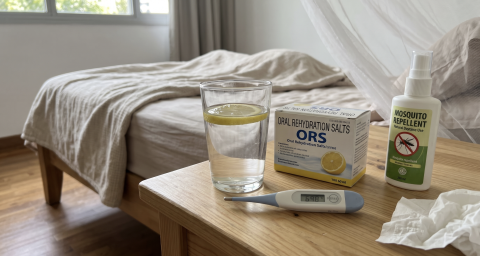
| Hydration | Constant, small sips of oral rehydration salts (ORS), boiled and cooled water, clear broths, and tender coconut water. | Untreated tap water, unpasteurized juices, and sugary sodas. |
| Diet and Nutrition | Soft, easily digestible, and calorie-rich foods (porridge, khichdi, bananas, boiled potatoes, yogurt) eaten in small, frequent portions. | Spicy, greasy, fiber-heavy (raw vegetables), or highly processed foods that can irritate the gut. |
A note on antimicrobial resistance: Decades of overuse and self-prescription of common medicines (like fluoroquinolones) have made many Salmonella Typhi strains resistant to older oral options. Doctors now frequently use alternative classes like macrolides or cephalosporins. Ensure you take the precise dose for the exact number of days prescribed, even if symptoms vanish after a few days.
When to See a Doctor
Typhoid requires prompt medical attention. Consult a healthcare provider if you or someone you are caring for has a fever lasting more than 72 hours, particularly if accompanied by headache, fatigue, or stomach discomfort.
Seek immediate emergency hospital care if you observe any of these warning signs, especially in weeks 2 or 3 of the illness:
- Severe, sudden abdominal pain: Intense pain, tenderness, or swelling in the belly, which can indicate an intestinal tear (perforation).
- Signs of internal bleeding: Bloody, dark, or black tarry stools, or vomiting blood.
- Inability to keep fluids down: Persistent vomiting, severe diarrhea, or a complete lack of appetite.
- Behavioral or consciousness changes: Confusion, delirium, extreme lethargy, or difficulty waking up.
- Extreme weakness or shock: Fast breathing, rapid heart rate, or cold, clammy skin.
For related illness and dehydration guidance, read our article on understanding dengue fever symptoms and warning signs, and learn the essential steps to mix and use Oral Rehydration Salts (ORS) safely at home.
How to Prevent Typhoid
Prevention rests on a combination of vaccination and strict food and water safety:
1. Vaccination
Several safe and effective typhoid vaccines are available. Travel and health advisory bodies, such as the CDC and India's Advisory Committee on Immunization, recommend vaccination for people living in or traveling to endemic regions:
- Typhoid Conjugate Vaccines (TCV): A single-dose injection suitable for infants as young as 6 months and adults, offering long-lasting protection (typically recommended every 3 years in endemic zones).
- Polysaccharide Vaccine: An injectable option for individuals aged 2 and older, requiring booster shots every 2 to 3 years.
- Oral Vaccine (Ty21a): A series of capsules taken on alternate days for individuals aged 6 and older, with booster doses every 5 years. (Not suitable for pregnant or immunocompromised individuals).
2. Food and Water Safety ("Boil It, Cook It, Peel It, or Forget It")
- Drink safe water: Only drink water that has been boiled, chemically treated, or comes from a sealed, bottled source. Avoid ice made from tap water.
- Eat hot, cooked food: Consume foods that are freshly cooked and served steaming hot. Avoid raw fruits and vegetables unless you can peel them yourself after washing with safe water.
- Maintain hand hygiene: Wash hands thoroughly with soap and clean water for at least 20 seconds after using the bathroom, before cooking, and before eating.
- Avoid risky street food: Be highly cautious with street-vended foods, ice cream, and unpasteurized dairy products in areas with poor sanitation.
The Social Health 360 Take
Although typhoid fever remains a serious illness in many parts of the world, it is highly preventable and entirely manageable when caught early. Getting a vaccine before traveling or during routine check-ups provides a strong layer of defense, but it doesn't replace the need for careful handwashing and choosing safe food and water. If you do fall ill, early testing with a blood culture is the best way to ensure you receive the right medicine, helping you recover safely and completely.
Frequently Asked Questions
1. Can you get typhoid more than once?
Yes. Having typhoid fever in the past or getting the vaccine does not guarantee lifelong immunity. You can become reinfected if you are exposed to the bacteria again, which is why practicing consistent food and water hygiene remains essential even after recovery.
2. Can I treat typhoid at home without seeing a doctor?
No. Typhoid is a systemic bacterial infection that requires prescription antimicrobial medication to be cured. Attempting to treat it with home remedies, rest, and over-the-counter painkillers alone will not eliminate the bacteria and can lead to severe, life-threatening complications like intestinal bleeding.
3. How long does a person remain infectious after recovering from typhoid?
Most patients stop shedding the Salmonella Typhi bacteria in their stool within a few weeks of completing their medicine. However, a small percentage (about 2% to 5%) can become chronic carriers, harboring the bacteria in their gallbladder and shedding it for months or years without showing symptoms. Doctors often require consecutive negative stool tests before clearing handlers, healthcare workers, or educators to return to work.
4. Does the typhoid vaccine provide 100% protection?
No vaccine is 100% effective. While modern vaccines (especially typhoid conjugate vaccines) offer strong, multi-year protection, a large amount of bacteria can still overwhelm this immunity. Because of this, staying cautious with food and water remains vital even if you are fully vaccinated.
5. Why is a blood culture better than a Widal test for diagnosing typhoid?
A blood culture actually isolates and grows the living Salmonella Typhi bacteria from your bloodstream, giving a definitive diagnosis and testing which medicines will work. The Widal test looks for antibodies, which can lead to false results from past unrelated infections, previous typhoid cases, or vaccinal antibodies, making it less reliable.
This article is for education only and is not medical advice. Talk to a qualified doctor or pharmacist about your own situation.