Panic Attacks: Early Symptoms, Immediate Comfort, and Support
Last updated: November 19, 2026
Panic Attacks: Symptoms, Causes, Immediate Grounding Techniques & When to Seek Help
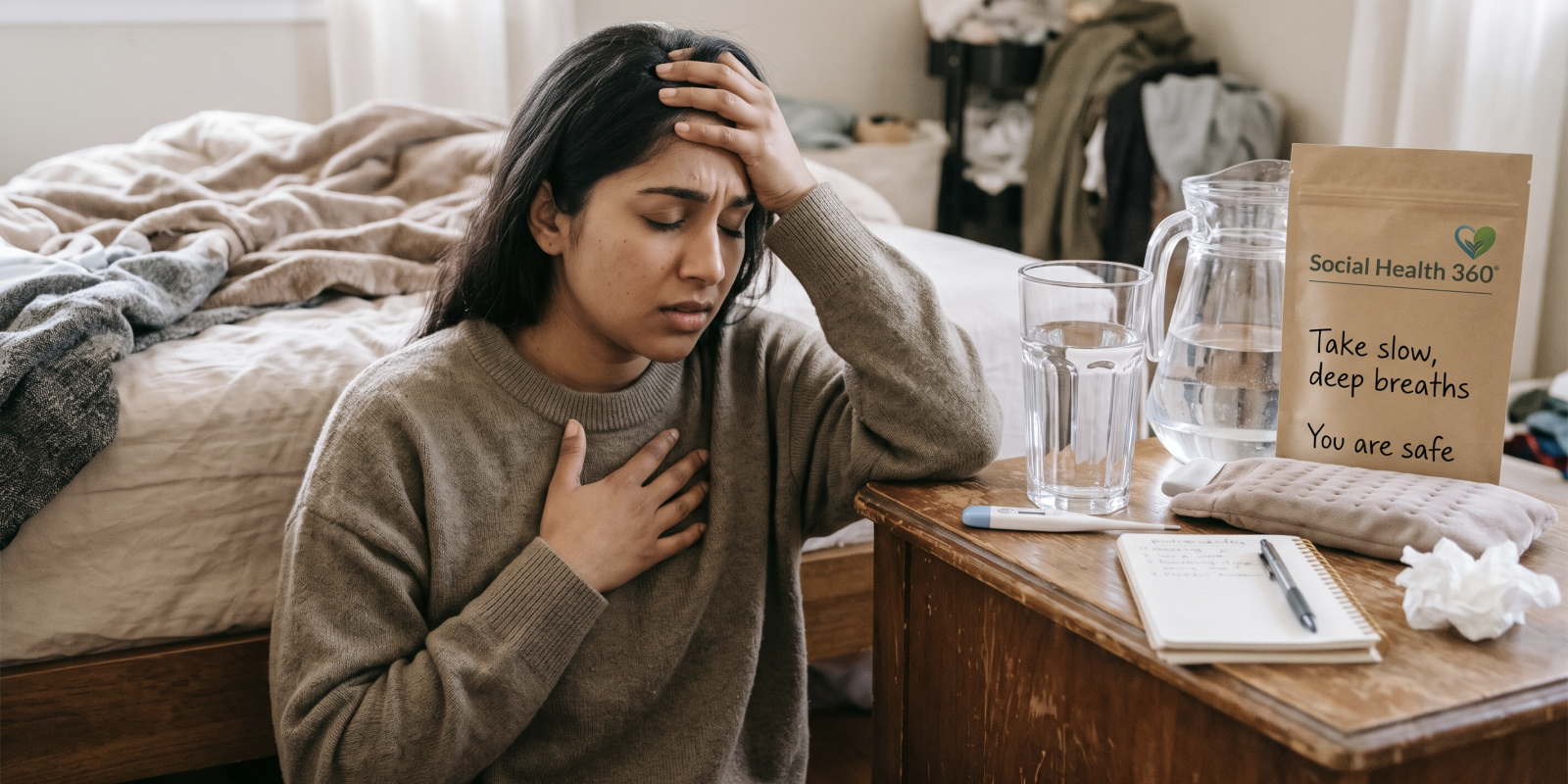
A panic attack is an abrupt surge of intense fear or discomfort that reaches its peak within minutes, often striking without warning or an obvious trigger. Common globally and frequently affecting young adults, these episodes can be deeply frightening—sometimes mimicking the physical signs of a heart attack. Although panic attacks themselves are generally not life-threatening, their symptoms can overlap with serious medical conditions. Learning to recognize the early physical signs and using immediate, evidence-based grounding techniques may help you or a loved one manage the episode and recover more comfortably.
Key Takeaways
- Intense but temporary: A panic attack reaches its peak within minutes. Many attacks last approximately 5–20 minutes, although some may last an hour or longer. Duration varies between individuals.
- Physical symptoms are real: Rapid heart rate, chest discomfort, shaking, sweating and difficulty breathing are genuine physical responses associated with the body's fight-or-flight system.
- Distinguish from medical emergencies: Panic symptoms can resemble a heart attack or other medical conditions. New, severe or unexplained chest pain and breathing difficulties require appropriate medical assessment.
- Grounding may help: Gentle paced breathing and the 5-4-3-2-1 sensory method may help reduce distress and make symptoms easier to manage.
- Highly manageable: Evidence-based therapy, mindfulness practices and appropriate lifestyle adjustments can help reduce the frequency and intensity of panic attacks.
What Is a Panic Attack and Why Does It Happen?
Your brain is wired with an ancient "fight-or-flight" survival system, which prepares your body to respond when you face danger. A panic attack involves an abrupt surge of intense fear or discomfort, accompanied by physical and cognitive symptoms that can occur even when there is no obvious immediate threat.
According to the diagnostic criteria in the Diagnostic and Statistical Manual of Mental Disorders (DSM-5-TR), a panic attack reaches its peak within minutes and involves four or more of 13 recognized symptoms. These include physical experiences such as a racing heart, sweating and breathlessness, as well as cognitive experiences such as fear of losing control or dying.
According to the National Institute of Mental Health (NIMH) and the World Health Organization (WHO), panic symptoms can affect people in different circumstances. Recurrent, unexpected panic attacks accompanied by persistent worry about further attacks or significant changes in behavior may indicate panic disorder.
Common contributing factors include prolonged stress, major life transitions, genetics, past trauma and certain physical or lifestyle factors, such as excessive caffeine consumption and sleep deprivation. Some medical conditions and medications can also produce symptoms resembling panic attacks.
Although the experience may feel like losing control or facing an immediate crisis, panic symptoms generally ease over time. However, it is important not to assume that new or unexplained physical symptoms are caused by anxiety without appropriate medical assessment.
Signs and Symptoms: What a Panic Attack Feels Like
Because panic involves an intense fight-or-flight response, its physical and emotional symptoms can be overwhelming. The DSM-5-TR recognizes 13 symptoms. Four or more are generally required to characterize a full panic attack.
Physical Symptoms
- Rapid, pounding heartbeat: Feeling like your heart is racing, throbbing or beating unusually fast (palpitations).
- Excessive sweating: Sudden sweating, even when the surroundings are cool or you are not physically active.
- Shaking and trembling: Uncontrollable trembling in your hands, legs or whole body.
- Breathing difficulties: Shortness of breath or a sensation of smothering, sometimes accompanied by rapid breathing (hyperventilation).
- Feeling of choking: A sensation that your throat is closing or that something is preventing you from swallowing or breathing normally.
- Chest pain or discomfort: A heavy, tight or uncomfortable sensation in the chest that can cause concern about a heart problem.
- Nausea or abdominal distress: Stomach discomfort, nausea, cramps or an unsettled feeling in the abdomen.
- Dizziness and faintness: Feeling light-headed, unsteady, dizzy or as though you might faint.
- Hot flashes or chills: Sudden sensations of heat or cold, sometimes accompanied by shivering.
- Numbness and tingling: Pins-and-needles sensations or numbness in the fingers, toes or face (paresthesias).
Emotional & Cognitive Symptoms
- Derealization or depersonalization: Feeling that the world around you is unreal or that you are detached from your own body.
- Fear of losing control: An overwhelming fear of losing control or "going crazy."
- Fear of dying: A terrifying sense of impending death or disaster.
Not everyone experiences all 13 symptoms. The combination, intensity and duration can vary from person to person. Some people may also experience symptoms that resemble panic but have another physical or psychological cause.
Panic Attack vs. Intense Anxiety Episode: Understanding the Difference
People often use the expressions "panic attack" and "anxiety attack" interchangeably. However, an "anxiety attack" is a commonly used expression rather than a formal diagnostic term in DSM-5-TR. An intense anxiety episode may describe a period of escalating worry or distress, while a panic attack has a more specific clinical description.
The following comparison explains common differences, although individual experiences do not always follow a fixed pattern:
| Feature | Panic Attack | Intense Anxiety Episode |
|---|---|---|
| Onset | Abrupt surge of intense fear or discomfort, reaching a peak within minutes. | May develop gradually in response to stress, worry or an anticipated situation. |
| Intensity | Can be extremely intense and overwhelming. | Can range from mild to severe, depending on the situation and individual. |
| Core Emotion | Intense fear, terror, dread or fear of losing control. | Worry, apprehension, restlessness and physical tension. |
| Physical Impact | May involve a racing heart, chest discomfort, shaking, sweating and breathlessness. | May involve muscle tension, headaches, fatigue, restlessness and other physical symptoms. |
| Duration | Often lasts approximately 5–20 minutes, although some attacks may last an hour or longer. | Can persist for longer periods, depending on the underlying worry or stressor. |
These differences are general descriptions, not absolute clinical rules. A healthcare professional can help determine whether symptoms are related to panic, an anxiety condition or another health issue.
Immediate Grounding Steps: What to Do During an Attack
When a panic attack strikes, trying to fight or force the feelings to stop can sometimes increase distress. Instead, acknowledge what you are experiencing and use gentle grounding techniques to help bring your attention back to the present moment.
1. Slow Down Your Breathing (Paced Breathing or Box Breathing)
Panic can cause rapid, shallow breathing, which may contribute to dizziness and tingling sensations. Try breathing gently and comfortably rather than forcing deep breaths.
One option is box breathing:
- Inhale gently through your nose for 4 seconds.
- Hold your breath comfortably for 4 seconds.
- Exhale slowly for 4 seconds.
- Pause for 4 seconds before breathing in again.
Repeat only as comfortably as you can. If holding your breath feels uncomfortable or increases your anxiety, skip the holds and simply breathe gently, allowing your exhalation to be slightly longer than your inhalation.
Another option is 4-7-8 breathing: inhale gently for 4 seconds, hold for 7 seconds and exhale slowly for 8 seconds. This method is optional; do not force prolonged breath holds. Stop or return to normal breathing if you feel dizzy or uncomfortable.
2. Practice the 5-4-3-2-1 Sensory Method
Bring your attention back to the present moment by noticing your surroundings:
- 5 things you can see: Look around and identify objects such as a chair, pen, window, tree or glass.
- 4 things you can touch: Notice the feeling of your clothing, a desk, the ground beneath your feet or another nearby object.
- 3 things you can hear: Listen for traffic, birds, a fan or distant voices.
- 2 things you can smell: Notice familiar scents such as coffee, soap or fresh air.
- 1 thing you can taste: Notice the taste in your mouth or take a sip of water.
3. Use Reassuring Self-Talk
Remind yourself: "This feeling may be related to panic. I can take things one step at a time. I do not have to fight the sensations, and I can seek help if something feels medically wrong."
Acknowledging the sensations without immediately interpreting them as a catastrophe may help reduce additional fear and distress.
4. Try Progressive Muscle Relaxation
Gently tense your toes for a few seconds, then release. Move up to your calves, thighs, hands and shoulders, relaxing each muscle group in turn. Avoid tensing any area that is painful or injured. This technique may help ease physical tension.
5. Sit Down and Find a Focal Point
If you feel dizzy or unsteady, sit somewhere comfortable and safe. Focus on one still object, such as a clock or picture on the wall, and notice its shape, color and details. This may help you feel more connected to your surroundings.
When to See a Doctor
Although panic attacks are generally not physically dangerous, their symptoms can overlap with heart, respiratory and other medical conditions. Chest pain, breathlessness and palpitations should not automatically be attributed to anxiety.
Seek urgent medical assessment for first-time, severe or unexplained symptoms, particularly if you experience:
- Chest pressure or discomfort: Especially if it feels like squeezing, tightness, fullness or persistent pain.
- Pain spreading to other areas: Chest discomfort or pain that spreads to one or both arms, the jaw, neck or back.
- Severe breathing difficulty: Significant or sudden breathlessness, particularly when accompanied by chest discomfort.
- Faintness or light-headedness: Especially when accompanied by chest pain, sweating, nausea or an unusually rapid heartbeat.
- First-time or unexplained symptoms: If you have never experienced these symptoms before, or if they feel different or more severe than previous episodes, get medical advice rather than assuming they are caused by panic.
If you suspect a heart attack or another medical emergency, call emergency services immediately. Do not delay treatment while trying breathing exercises or grounding techniques.
Arrange a medical or mental-health assessment in the following situations as well:
- Frequent or worsening attacks: If you experience repeated attacks or become increasingly afraid of having another one.
- Avoidance of everyday situations: If fear of another attack causes you to avoid places, driving, public transport or social situations.
- Life disruption: If persistent worry, sleep problems or anxiety interfere with your ability to work, study or maintain relationships.
- Uncertainty about the cause: If you are unsure whether your symptoms are related to anxiety, a physical illness or a medication you are taking.
Emergency Mental-Health Support
If you or someone you care for is experiencing thoughts of suicide or self-harm, seek immediate support. The following services can help:
- United States – 988: Call or text 988 for suicide and mental-health crisis support.
- United States – 911: Call 911 for immediate medical or other emergencies.
- India – 112: Nationwide emergency response number for urgent assistance.
- India – Tele-MANAS (14416): Free, 24-hour mental-health support through the Government of India's national tele-mental-health programme.
- India – KIRAN (1800-599-0019): A mental-health support and rehabilitation helpline listed in the government directory. Check current service availability and operating hours before relying on it.
For more on managing health conditions safely, read our articles on how to manage infection-related stress and understanding safe self-care during illness.
The Social Health 360 Take
A panic attack can feel like an absolute crisis in the moment, but understanding what may be happening inside your body is an important first step toward managing the experience. The physical sensations can be intense, but they generally ease over time.
By learning to recognize the symptoms and practicing gentle breathing and grounding techniques, you may find it easier to manage distress during an episode. If anxiety and panic continue to affect your daily life, speak with a healthcare provider or qualified therapist. Evidence-based treatments, including Cognitive Behavioral Therapy (CBT), can help people manage panic symptoms and regain confidence in everyday activities. Seeking professional support is a positive step toward better mental health.
Frequently Asked Questions
1. Is a panic attack bad for your heart?
Panic attacks are generally not physically dangerous, but they can cause a racing or pounding heartbeat and chest discomfort. These symptoms can overlap with those of heart-related conditions, and people with underlying medical conditions may need individualized assessment. Never assume that new, severe or unexplained chest symptoms are caused by panic. Seek appropriate medical assessment, especially if you experience chest pressure, pain spreading to your arms or jaw, faintness or severe breathlessness.
2. Can Panic Attacks Occur While You Are Asleep?
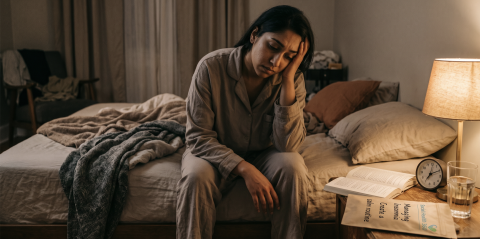
Yes. Some people experience nocturnal panic attacks, which are sudden episodes of intense panic that wake them from sleep without an obvious trigger. They can involve symptoms similar to daytime panic attacks, including a racing heart, sweating, breathlessness and intense fear. Once you are confident that there is no medical emergency, gentle breathing and grounding techniques may help you feel more settled before returning to sleep.
3. How Can I Help Someone Else Who Is Having a Panic Attack?
Stay calm, keep your voice gentle and ask the person what would help them feel comfortable. Encourage them to sit somewhere safe and offer to guide them through gentle breathing or a grounding exercise if they are willing. Avoid telling them to "calm down" or overcrowding them. Stay with them if they want support, and seek medical assistance if symptoms are new, severe or suggest a medical emergency.
4. Will Avoiding Trigger Situations Help Prevent Future Attacks?
Repeatedly avoiding places or activities out of fear of another panic attack may reinforce anxiety and gradually restrict everyday life. Cognitive Behavioral Therapy (CBT), including professionally guided gradual exposure when appropriate, can help people develop confidence in situations they have been avoiding. Do not force yourself into overwhelming situations without appropriate support.
5. Can Lifestyle Changes Help Reduce Panic Attacks?
Yes. Healthy daily habits may help support emotional well-being and reduce factors that contribute to anxiety. Reducing excessive caffeine, limiting alcohol, maintaining a regular sleep routine, engaging in appropriate physical activity and practicing mindfulness may help. These habits can complement professional treatment but should not replace medical or psychological care when needed.
This article is for educational purposes only and is not a substitute for professional medical advice, diagnosis or treatment. Speak with a qualified doctor or mental-health professional about your individual symptoms and healthcare needs.