Common Cold vs. Flu: Symptoms, Home Solutions, and Warning Signs
Last updated: November 19, 2026
Common Cold vs. Seasonal Flu
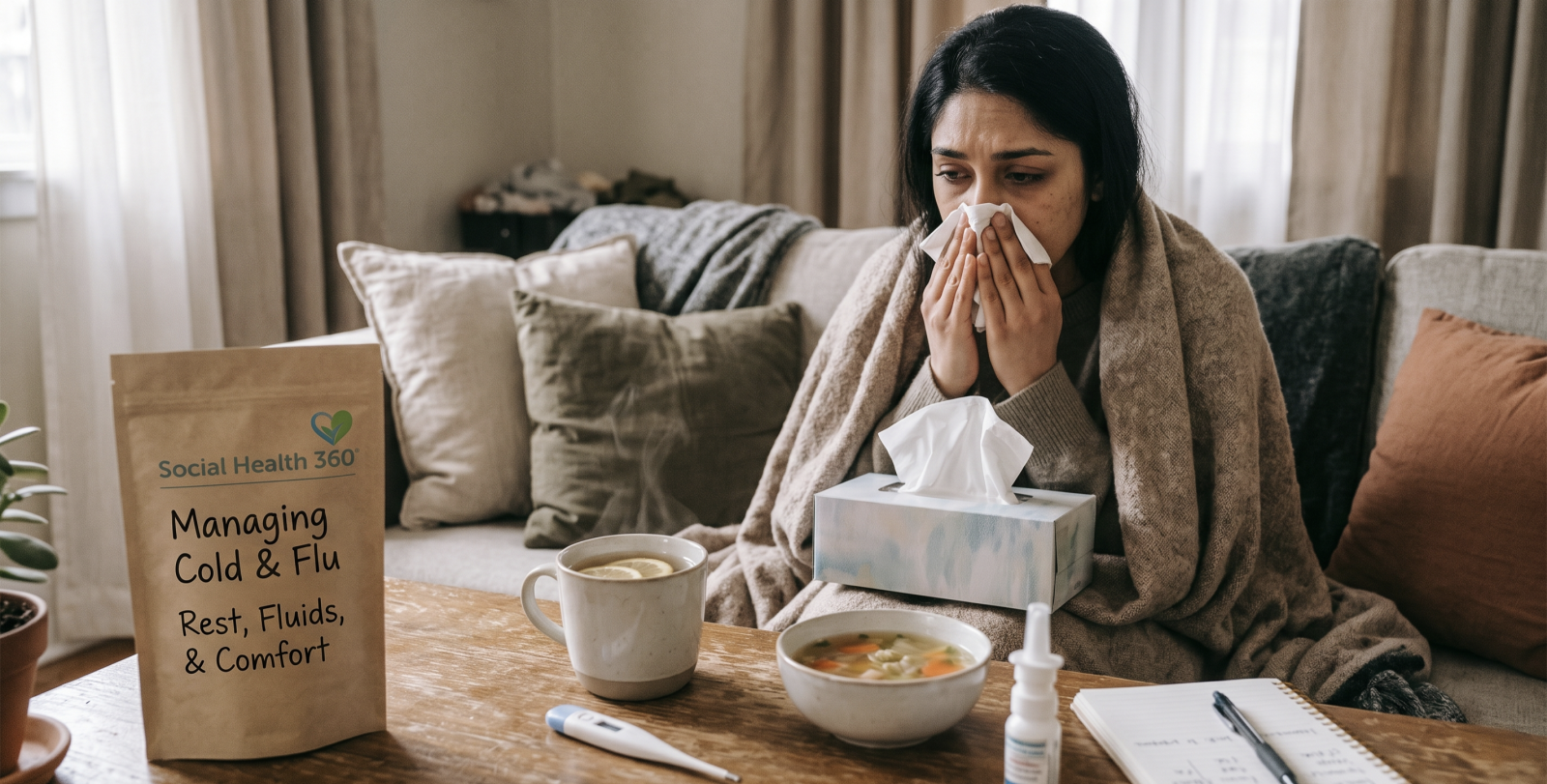
Both the common cold and the seasonal flu (influenza) are contagious viral respiratory infections, yet they differ sharply in how fast they strike and how sick they make you feel. According to the Centers for Disease Control and Prevention (CDC), the World Health Organization (WHO), and the National Health Service (NHS), a cold usually develops gradually with a runny nose and mild sore throat, while the flu hits suddenly with high fever, deep body aches, and exhaustion—and practical home solutions like hydration, saline rinses, and targeted symptom relief help you recover safely.
Key Takeaways
- Speed and severity set them apart: Colds build up slowly over a day or two and stay mostly in the nose and throat, whereas the flu strikes abruptly with fever, chills, and heavy fatigue.
- Antibiotics will not work: Both illnesses are caused by viruses, meaning antibacterial medicines do nothing to speed recovery and only add side effects.
- Targeted home solutions ease symptoms: Saline nasal sprays, steam inhalation, honey (for ages 1 and older), warm fluids, and rest relieve congestion and throat irritation safely.
- Use fever medicines wisely: Paracetamol or ibuprofen can ease fever and body aches when taken at recommended doses, though people with dengue risk or stomach/kidney conditions should check with a doctor first.
- Watch for complications: High-risk groups—such as young children, older adults, pregnant women, and people with asthma, diabetes, or heart disease—should contact a doctor early during suspected flu.
Causes and How Colds and Flu Spread
Although people often group colds and flu together, they are triggered by different families of viruses:
- Common cold: Most commonly caused by rhinoviruses, along with seasonal coronaviruses and parainfluenza viruses.
- Seasonal flu: Caused specifically by influenza A and influenza B viruses, which change slightly each year and lead to seasonal outbreaks.
Both viruses spread through tiny respiratory droplets released when an infected person coughs, sneezes, or talks, as well as by touching contaminated surfaces—such as doorknobs, phones, or shared utensils—and then touching your nose, mouth, or eyes. You can pass the flu to others starting about 1 day before your symptoms appear and up to 5 to 7 days after becoming sick.
Common Cold vs. Flu: How to Tell Them Apart
Comparing your symptoms side by side makes it easier to recognize which illness you are dealing with.
| Symptom / Feature | Common Cold | Seasonal Flu (Influenza) |
|---|---|---|
| How It Starts | Gradual build-up over 24 to 48 hours | Sudden, abrupt onset within a few hours |
| Fever & Chills | Rare in adults; occasionally mild in children | Common; often 100.4°F to 104°F (38°C to 40°C) lasting 3 to 4 days |
| Body Aches & Headache | Mild or absent | Common, often moderate to severe muscle and joint aches |
| Fatigue & Weakness | Mild; most people can continue light daily tasks | Extreme exhaustion that can last 1 to 2 weeks |
| Nose & Throat Signs | Runny or stuffy nose, sneezing, and scratchy sore throat are primary signs | Sometimes present, though fever, cough, and body aches dominate |
| Cough | Mild to moderate, often due to postnasal drip | Dry, hacking cough that can become severe |
Practical Solutions: How to Relieve Symptoms at Home
Because your immune system clears uncomplicated colds and mild flu on its own within 7 to 10 days, the best strategy is supporting your body with proven, practical symptom solutions:
1. Solutions for a Blocked or Runny Nose
- Saline nasal sprays or rinses: Over-the-counter sterile saline drops or sprays loosen thick mucus and flush out viral particles without medication side effects. If using a neti pot or sinus rinse bottle, always use distilled, sterile, or previously boiled and cooled water—never plain tap water.
- Warm steam and humid air: Taking a warm shower or using a clean cool-mist humidifier adds moisture to dry indoor air, soothing irritated nasal passages.
- Elevate your head at night: Propping your head up with an extra pillow helps sinuses drain and reduces nighttime nasal stuffiness.
2. Solutions for a Sore Throat and Cough
- Warm saltwater gargles: Dissolve half a teaspoon of salt in a glass of warm water and gargle for 15 to 30 seconds several times a day to ease throat swelling and scratchiness.
- Honey in warm liquid (ages 1 and older): Clinical reviews and NHS/CDC guidance confirm that 1 to 2 teaspoons of plain honey—or honey stirred into warm water or herbal tea—coats the throat and calms nighttime coughing. Never give honey to infants under 12 months old due to the risk of infant botulism.
- Lozenges and hard candies: Sucking on throat lozenges boosts saliva flow and keeps the throat moist (suitable for older children and adults who do not have a choking risk).
3. Solutions for Fever, Body Aches, and Dehydration
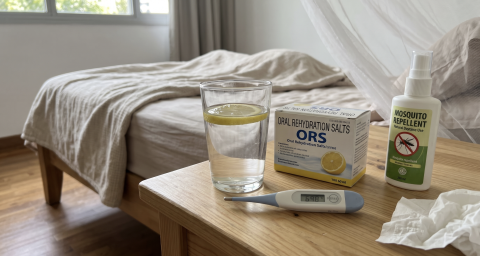
- Steady fluid intake: Fever and rapid breathing increase fluid loss. Sip plain water, clear vegetable or chicken broth, oral rehydration salts (ORS), or warm decaffeinated tea throughout the day.
- Targeted fever and pain relievers: Standard over-the-counter paracetamol (acetaminophen) or ibuprofen helps lower fever and ease headaches or muscle pain. Always follow the package label or your doctor's advice, and check multi-symptom cold remedies carefully so you do not accidentally double up on paracetamol. (If you live in an area where dengue fever is circulating, avoid ibuprofen until a doctor rules out dengue.)
- Prioritize real rest: Pushing through intense workouts or long workdays prolongs fatigue. Giving your body 2 to 3 days of genuine rest allows your immune response to work efficiently.
4. When Antiviral Medicines Are Used for Flu
Unlike the common cold, influenza has specific prescription antiviral treatments (such as oseltamivir) that can shorten illness by about 1 to 2 days and lower the risk of pneumonia—if started within 48 hours of symptoms beginning. Doctors typically reserve these for adults aged 65 and older, young children, pregnant women, and people with chronic lung, heart, or immune conditions.
When to See a Doctor
Most colds and mild flu cases improve steadily at home, but secondary infections like pneumonia, bronchitis, or severe dehydration can occasionally develop. Seek prompt medical attention if you or someone you care for experiences any of these warning signs:
- Breathing difficulties: Shortness of breath, fast breathing, wheezing, or pain and pressure in the chest or abdomen.
- Persistent or returning fever: A high fever lasting more than 3 days, or a fever and cough that improve briefly and then suddenly return worse than before.
- Neurological or dehydration signs: Sudden dizziness, confusion, severe weakness, difficulty waking up, or very little urination.
- Severe localized pain: Intense ear pain, severe sinus pain around the eyes or forehead, or extreme trouble swallowing fluids.
- High-risk individuals: Infants under 3 months with any fever, adults over 65, pregnant women, or anyone with asthma, COPD, diabetes, heart disease, or a weakened immune system who develops flu-like symptoms.
How to Prevent Colds and Flu
- Get an annual flu shot: Health bodies including the WHO, CDC, and Indian public health agencies recommend yearly influenza vaccination—especially for older adults, pregnant women, healthcare workers, and people with chronic medical conditions.
- Wash hands regularly: Scrub hands with soap and water for at least 20 seconds, or use an alcohol-based hand sanitizer (at least 60% alcohol) after being in crowded public places.
- Cover coughs and sneezes: Cough or sneeze into a tissue or your bent elbow rather than your bare hands, and improve indoor ventilation when hosting visitors.
For more practical recovery steps, explore our guides on paracetamol (acetaminophen) safe dosing and liver safety and using Oral Rehydration Salts (ORS) when fever causes fluid loss.
The Social Health 360 Take
When a cold or the flu knocks you off your feet, there is no instant overnight cure—and skipping antibiotics saves you from unnecessary side effects. Focusing on simple, reliable solutions like warm fluids, saline nasal care, honey for cough relief, and genuine rest keeps you comfortable while your immune system clears the virus. Just pay close attention to your breathing and fever curve, and reach out to a doctor early if you fall into a higher-risk group.
Frequently Asked Questions
1. Why won't my doctor prescribe antibiotics for a bad cold or the flu?
Antibiotics only kill bacteria; they have zero effect on the viruses that cause colds and influenza. Taking antibiotics for a viral illness will not help you recover faster, can cause stomach upset or allergic reactions, and contributes to antibiotic resistance.
2. Does vitamin C or zinc cure a cold faster?
Research reviewed by the NIH and Cochrane shows that taking regular daily vitamin C does not prevent colds for most people, though it may slightly shorten symptom duration by less than a day. Zinc lozenges started within 24 hours of the first symptoms may modestly reduce cold length, but high doses can cause nausea or temporary taste changes—check with a pharmacist before trying supplements.
3. How long am I contagious with a cold or the flu?
With a common cold, you are most contagious during the first 2 to 3 days of symptoms, though you can spread the virus for up to a week. With the flu, you can spread the virus starting 1 day before symptoms begin and for about 5 to 7 days afterward—staying home until you have been fever-free for at least 24 hours without fever-reducing medicine helps protect others.
4. Should I "feed a cold and starve a fever"?
No—that old saying is a myth. Your body needs steady fluids and light, nourishing energy to fight any viral infection, whether or not you have a fever. If your appetite is low, focus on small, easy-to-digest meals like warm soup, porridge, khichdi, fruit, and toast alongside plenty of liquids.
5. Can you catch the flu from the flu vaccine?
No. Injectable flu vaccines contain inactivated (killed) virus particles or single viral proteins, which cannot cause influenza infection. Mild arm soreness, tiredness, or a low-grade ache for a day or two afterward is simply a normal sign that your immune system is building protection.
This article is for education only and is not medical advice. Talk to a qualified doctor or pharmacist about your own situation.