Dengue Fever: Early Symptoms, Home Care, and Warning Signs
Last updated: November 18, 2026
Dengue Fever
Dengue fever is a viral infection spread to humans through the bite of infected Aedes mosquitoes, primarily Aedes aegypti. Common across tropical and subtropical regions—including India, Southeast Asia, and parts of the southern United States—most dengue infections cause a sudden high fever, severe headache, pain behind the eyes, and body aches that improve within one to two weeks with rest and proper hydration.
Key Takeaways
- How it spreads: Dengue spreads through daytime-biting Aedes mosquitoes, not directly from person to person.
- Three phases of illness: Dengue typically moves through a febrile (fever) phase, a brief critical phase around days 3 to 7 when fever drops, and a recovery phase.
- No specific cure: There is no antiviral cure for dengue; treatment focuses on fluids, rest, and safe fever control.
- Avoid NSAIDs: Never take aspirin, ibuprofen, or diclofenac for suspected dengue, as they increase the risk of serious bleeding.
- Watch the recovery drop: Severe warning signs often appear 24 to 48 hours after the fever goes down, making close monitoring essential during this window.
Causes and How Dengue Spreads
Dengue is caused by one of four closely related dengue viruses (DENV-1, DENV-2, DENV-3, and DENV-4). When an Aedes mosquito bites a person infected with the virus, the mosquito can pass the virus to other people it bites later.
Unlike malaria-carrying mosquitoes that bite mostly at night, Aedes mosquitoes are most active during early morning and late afternoon hours. They breed in clean, stagnant water collected in flowerpots, coolers, discarded tires, buckets, and uncovered water tanks. Because there are four virus types, recovering from one type gives lifelong immunity only against that specific strain, meaning a person can get dengue more than once.
Symptoms and the Three Phases of Dengue
Symptoms usually begin 4 to 10 days after an infected mosquito bite. According to the World Health Organization (WHO) and Centers for Disease Control and Prevention (CDC), dengue typically follows three distinct stages:
1. Febrile Phase (Days 1 to 3)
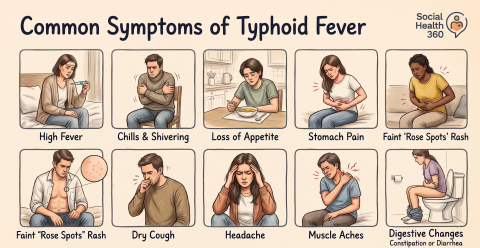
- Sudden high fever, often reaching 104°F (40°C)
- Severe headache and pain behind the eyes (retro-orbital pain)
- Intense muscle, bone, and joint aches—historically why dengue was called "breakbone fever"
- Nausea, vomiting, loss of appetite, and extreme fatigue
- A flat, red skin rash that may appear two to five days after fever starts
2. Critical Phase (Days 3 to 7)
As the fever begins to subside—often dropping below 100.4°F (38°C)—most patients start recovering. However, in a small percentage of cases, blood vessels become temporarily leaky, leading to fluid buildup in the chest or belly, a sharp drop in blood pressure, and falling platelet counts. This 24- to 48-hour window requires careful observation for warning signs.
3. Recovery Phase (Days 7 to 10)
Leaked fluid gradually reabsorbs into the bloodstream, appetite returns, and energy improves. Some people notice an itchy rash or peeling skin on the palms and soles, along with lingering tiredness that can last a few weeks.
Safe Home Care and Medicines
Most people with mild dengue can recover safely at home under a doctor's guidance. A healthcare provider confirms dengue using blood tests such as NS1 antigen (in the first few days) or IgM/IgG antibody tests, alongside a complete blood count (CBC) to monitor platelets and hematocrit levels.
| Care Area | Recommended Approach | What to Avoid |
|---|---|---|
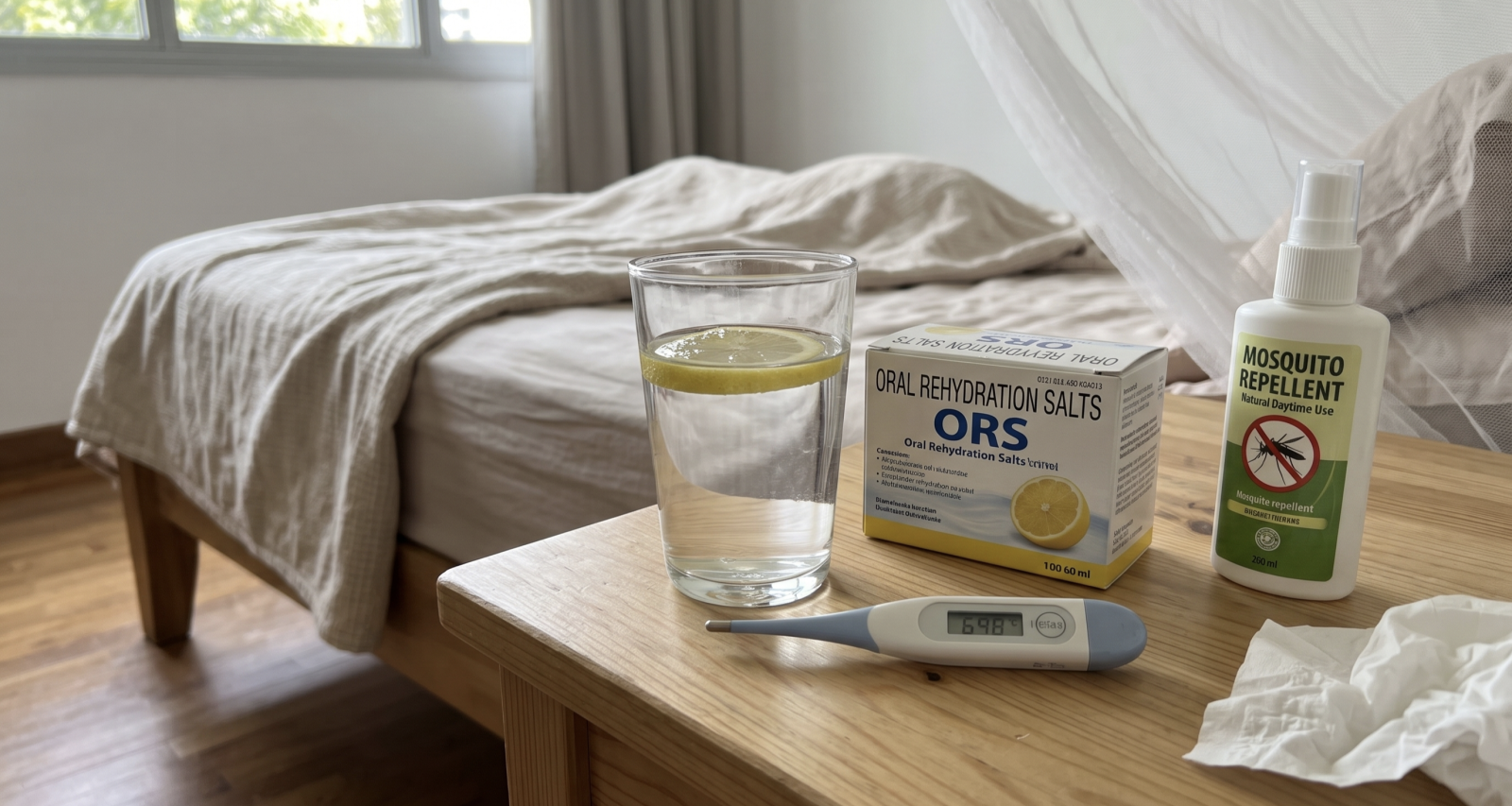
| Hydration | Sip oral rehydration salts (ORS), plain water, coconut water, clear broths, and fresh juices regularly | Alcohol, excessive caffeine, and waiting until extreme thirst to drink |
| Fever & Pain Relief | Paracetamol (acetaminophen) at standard recommended doses; tepid water sponging for high fever | Aspirin, ibuprofen, naproxen, diclofenac, and mefenamic acid (raise bleeding risk) |
| Activity & Rest | Complete bed rest during fever and the 48 hours after fever subsides | Strenuous exercise, heavy lifting, or returning to work/school too early |
| Mosquito Control | Sleep under a bed net and use repellent during illness so mosquitoes do not spread the virus | Leaving doors/windows unscreened while infected |
A note on fever medicine: Standard adult paracetamol dosing is typically 500 mg to 1,000 mg every 4 to 6 hours, not exceeding 4,000 mg in 24 hours. Always follow the package label or your doctor's instructions, and check with a pediatrician for weight-based child dosing.
A note on platelet counts: A gradual drop in platelets is common in dengue and usually recovers on its own once the virus clears. Routine platelet transfusions are not recommended unless levels drop dangerously low or active bleeding occurs; doctors make this decision based on clinical signs rather than numbers alone.
When to See a Doctor
Severe dengue (formerly called dengue hemorrhagic fever or dengue shock syndrome) is a medical emergency. Seek immediate hospital care if any of the following warning signs develop—especially during the 24 to 48 hours after the fever drops:
- Severe abdominal pain or tenderness: Persistent, worsening belly pain that does not ease with rest.
- Persistent vomiting: Vomiting three or more times in 24 hours, or inability to keep fluids down.
- Signs of bleeding: Bleeding from the gums or nose, vomiting blood (or material that looks like coffee grounds), black tarry stools, blood in urine, or unexplained purple bruises under the skin.
- Fluid accumulation or breathing trouble: Rapid breathing, shortness of breath, or visible swelling in the abdomen.
- Severe exhaustion or restlessness: Extreme drowsiness, confusion, dizziness or fainting when standing, or cold, clammy, pale skin.
- High-risk groups: Infants, pregnant women, older adults, and people with diabetes, kidney disease, or a history of previous dengue infection should be monitored closely by a doctor from day one.
Prevention Tips
Protecting yourself from mosquito bites is the most effective way to prevent dengue:
- Eliminate standing water weekly: Empty, scrub, and cover flowerpots, water storage drums, pet bowls, air coolers, and rooftop containers at least once a week.
- Use EPA- or health-approved repellents: Apply mosquito repellents containing DEET, picaridin, or oil of lemon eucalyptus on exposed skin according to label directions.
- Wear protective clothing: Choose loose-fitting, light-colored long sleeves and long pants, particularly during early morning and late afternoon hours.
- Secure living spaces: Use window and door screens, air conditioning, or insecticide-treated bed nets when resting during the day.
For more practical guidance on home recovery, explore our articles on how to mix and use Oral Rehydration Salts (ORS) safely and paracetamol (acetaminophen) safe dosing and liver safety.
The Social Health 360 Take
With dengue fever, calm vigilance makes all the difference. While most cases resolve smoothly with steady hydration, rest, and paracetamol, the most critical window is often the two days right after the fever breaks. Knowing which painkillers to avoid and keeping a close eye out for warning signs helps ensure timely medical care when it matters most.
Frequently Asked Questions
1. Can dengue spread directly from one person to another?
No. Dengue does not spread through coughing, sneezing, touching, or sharing food. However, a mosquito that bites an infected person can become infected and spread the virus to other household members, which is why sick patients should still use mosquito nets and repellent.
2. Why are ibuprofen and aspirin dangerous in dengue?
Ibuprofen, aspirin, and other non-steroidal anti-inflammatory medicines affect blood clotting and can irritate the stomach lining. Because dengue lowers platelet counts and makes blood vessels fragile, taking these medicines significantly increases the risk of severe internal or mucosal bleeding.
3. Does papaya leaf juice cure dengue or raise platelets faster?
Small preliminary studies have looked at papaya leaf extract, and some people use it alongside standard care, but major health bodies including the WHO and CDC do not recognize it as a proven cure or substitute for medical monitoring and hydration. Always consult your doctor before giving herbal extracts, especially to children or people with liver issues.
4. How long does recovery from dengue take?
Most people recover from the acute fever and pain within 7 to 10 days. However, post-viral fatigue, mild weakness, and low mood can linger for 2 to 4 weeks before full energy returns.
5. Is there a vaccine for dengue?
Dengue vaccines exist in certain countries, though eligibility depends strictly on age and whether a person has had a laboratory-confirmed dengue infection in the past. In the United States, the CDC recommends the Dengvaxia vaccine only for children aged 9 to 16 living in endemic areas who have confirmed prior infection. Check with a doctor or local public health authority about current availability and guidelines in your region.
This article is for education only and is not medical advice. Talk to a qualified doctor or pharmacist about your own situation.